
One vital aspect of preparedness is understanding disaster alarms and warning systems. These alerts provide timely information that allows individuals and communities to take the necessary actions to mitigate risks.
This discussion outlines the types of disaster alarms, their functions, and how to effectively interpret and respond to them. By mastering these systems, individuals, families, and communities can further enhance their readiness and decision-making during challenging situations.
WHY DISASTER ALARMS MATTER
Disaster alarms serve as life-saving signals during emergencies. They communicate critical warnings—whether it’s a tornado approaching, a tsunami threat, or a public health crisis. Quickly understanding and responding to these alerts can mean the difference between life and death. These alarms also help in coordinating evacuation protocols, deploying resources, and maintaining communication during high-stress scenarios.
To fully grasp their importance, you will need to understand the specific systems in place, what they communicate, and how to act appropriately upon receiving alerts.
This lesson is taken from Disaster Readiness for Medical Professionals
Session One – Lesson Four
KEY DISASTER ALARM SYSTEMS
Several disaster alert systems are in place to ensure that critical warnings reach communities promptly and effectively. Below is an overview of the central systems and their capabilities.
Emergency Alert System (EAS)
The Emergency Alert System (EAS) is one of the oldest and most widely recognized disaster alert mechanisms. It disseminates emergency messages through broadcast television, cable, satellite TV, AM/FM radio, and satellite radio.
Initially designed for use by the President of the United States to deliver national emergency messages, the EAS has since expanded to include state and local emergency messages. Examples include severe weather warnings and AMBER alerts. When an EAS alert is issued, it typically interrupts regular programming with a distinct sound, followed by a voice alert that details the specific emergency and recommends the necessary action to take (if applicable). While effective, this system is limited to traditional broadcast mediums and can be easily missed if you’re not tuned into these platforms. EAS alerts about pending risks, such as hurricanes or public health crises, allow individuals, families, and communities to prepare in advance. During a declared emergency, individuals, families, and communities can take appropriate action and coordinate patient care, secure supplies, and communicate evacuation plans when needed.
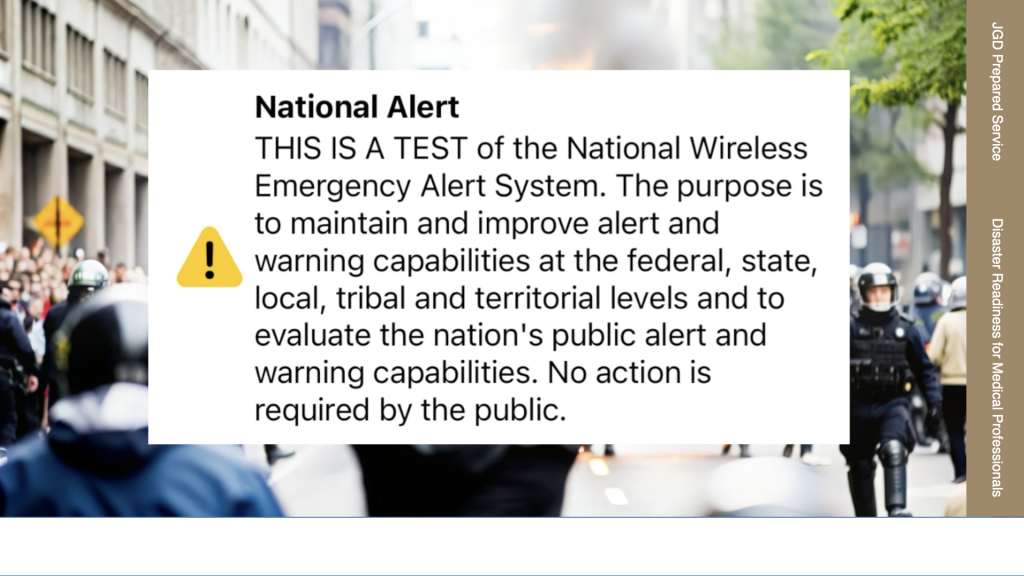
Wireless Emergency Alerts (WEA)
Introduced in 2012, Wireless Emergency Alerts (WEA) are emergency messages that appear directly on your smartphone as text-like notifications. Operated by federal, state, and local authorities, these alerts inform people about imminent threats in their area, such as severe weather, AMBER alerts, or national emergencies.
If you own a smartphone (most people do), you should check to see if WEA notifications are enabled. To do so, go to your smartphone’s notification settings and look for the option to receive government alerts. Enable categories like “Emergency Alerts” and “Severe Threats.” By doing this, you will receive instant access to real-time updates – via your smartphone – which makes it easier to react to emergencies even when on the move.
NOAA Weather Radio (NWR)
The NOAA Weather Radio (NWR) provides round-the-clock weather updates and all-hazards alerts via government-operated radio stations. It is particularly beneficial for severe weather events, such as tornadoes, hurricanes, and flash floods. Many NWR units feature a loud alarm that activates during emergencies, which is impossible to miss (if within earshot).
Stationary units can provide continuous monitoring on-site, while portable options can be taken with you. The NOAA weather radio provides reliable access to weather updates in areas with poor internet or cell signal coverage.
Smartphone Emergency Apps
Apps like the FEMA Emergency App provide detailed information on natural disasters, technological hazards, and public safety alerts. Many allow users to customize settings based on their location and preferred alert types.
The FEMA app also enables users to input multiple locations, making it ideal for frequent travelers. It provides concise advice on how to stay safe and reduce harm based on the specific emergency. The FEMA App can serve as a personalized risk-planning tool, helping you quickly prioritize safety protocols. Additionally, its push notifications minimize the risk of missing critical updates.
Local Sirens
Localized sirens are particularly valuable in high-risk areas such as tornado-prone regions or zones near tsunami evacuation paths. These sirens emit loud, attention-grabbing sounds designed to alert everyone within a designated radius.
The key is understanding what these sirens indicate. A three-minute wailing siren might signify a tornado watch, whereas a steady tone for the same duration might mean a tornado warning. Community-specific education on siren interpretations is essential. Sirens serve as immediate warnings to take shelter, ensuring rapid action in high-stakes situations.
UNDERSTANDING ALERT TYPES
Disaster alarms typically fall into three categories: advisory, watch, and warning. Knowing the difference ensures faster and more effective responses.
Advisory
- Indicates low risk.
- Meant to inform individuals of potential but unlikely hazards.
- Action recommended: Stay alert and monitor updates.
Watch
- Shows conditions are favorable for an event, such as a tornado or flash flood.
- Action recommended: Begin preparing (e.g., securing patients, safeguarding supplies).
Warning
- Implies the hazard is imminent or already occurring.
- Action recommended: Respond immediately (e.g., take shelter, activate response protocols).
By teaching these distinctions to your team, you ensure that everyone knows how to act when these alerts are received.
TIPS FOR EFFECTIVE DISASTER ALARM RESPONSE
Generally, emergencies require specific preparedness measures. Follow these tips to elevate your readiness:
- Enable All Alerts. Ensure you’ve configured your smartphone and work devices to receive WEA notifications, FEMA app updates, and location alerts. Regularly test your alarm systems to ensure they are functioning correctly.
- Invest in Cross-Compatible Devices. Place NOAA Weather Radios in key locations and keep a portable NOAA radio in your emergency kits.
- Train Family Members. Run mock drills to test your family’s ability to respond to alert sounds or text notifications. Use drills to reinforce the differences between advisories, watches, and warnings.
- Develop a Step-by-Step Action Plan. Assign responsibilities to each member of your family or team on what to do when an alert occurs. For example, designate someone to shut off gas lines, etc., when a “warning” alert is provided (providing time is available).
- Education. Maintain printed or digital materials with your emergency gear that explain how to respond to disaster alarms, empowering you and your family to act.
PREPARE FURTHER WITH PROFESSIONAL TRAINING
Disaster alarms provide vital information, but they are only one part of the broader preparedness puzzle. Additionally, consider seeking training in self-aid and buddy care, CPR, and disaster preparedness. For example, the “Disaster Readiness for Medical Professionals – AAPA CME” course, led by Greg Davenport, is an invaluable resource. This course delves into emergency protocols, disaster readiness strategies, and practical tips to help you remain calm and effective under pressure. Take the next step toward preparedness today. Equip yourself and your team with the knowledge to face any unfores
Gregory Davenport
Greg Davenport (DHSc., PA-C) believes in “service through medicine.” Davenport has over 40 years of professional experience providing medical care in underserved populations and areas.


